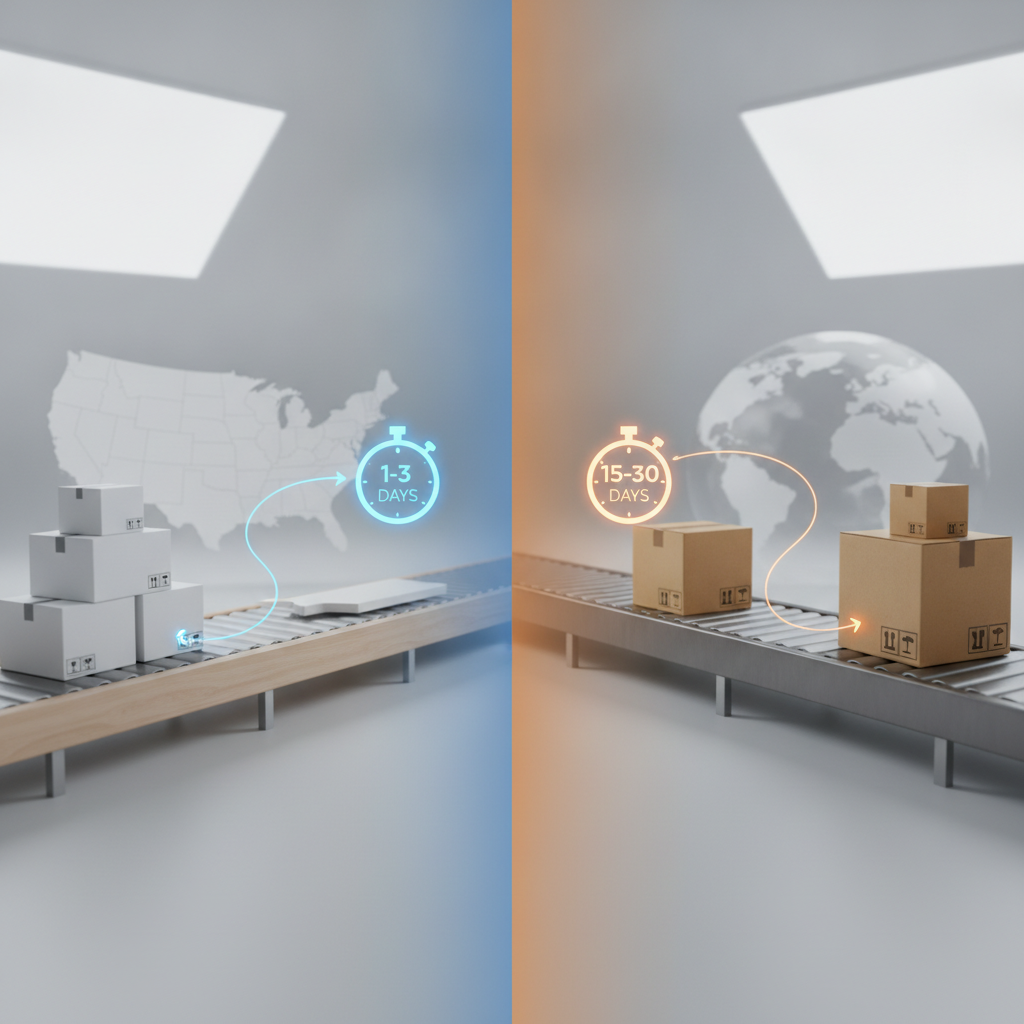
Shipping times are one of the most underrated levers in a dropshipping business. You can have a great product, a polished store, and clean ad creative, but if a customer waits three weeks for a package, your reviews, refunds, and repeat sales all suffer. Choosing between US suppliers and overseas sourcing is really a decision about the customer experience you want to deliver and the margins you can live with.
This guide breaks down the real tradeoffs, when each option wins, and how to think about shipping speed as a conversion tool rather than just a cost.
Why Shipping Times Directly Affect Conversions
Shoppers have been trained by large marketplaces to expect fast, predictable delivery. When your product page shows a delivery estimate of two to four days, it removes friction at checkout. When it shows fifteen to thirty days, hesitation creeps in and abandonment rises.
Shipping speed influences conversions in three ways:
- Checkout confidence. A clear, short delivery window reduces the fear of buying from an unknown store.
- Post-purchase satisfaction. Fast arrival leads to fewer support tickets, fewer chargebacks, and better reviews.
- Repeat purchase rate. Customers who receive orders quickly are far more likely to buy again.
Even a modest improvement in delivery time can lift conversion rates because it signals reliability. For many stores, the difference between a struggling brand and a profitable one comes down to how the customer experience feels after they hit buy.
The Case for US-Based Suppliers
Using us suppliers means products ship from within the country your customers live in, which usually shortens transit to a few business days.
Key advantages include:
- Faster delivery. Domestic shipping often lands in two to five days, which matches modern buyer expectations.
- Lower dispute rates. Fewer delays mean fewer angry emails and fewer payment disputes.
- Easier returns. Domestic return addresses simplify the reverse logistics that overseas sourcing complicates.
- Trust signals. Ships from USA badges and quick delivery estimates can raise conversions on the product page.
The main downside is cost. US-based products and fulfillment typically carry higher unit prices, which squeezes margins. You often make up for it with higher average order value, better retention, and lower refund rates. If you want to explore reliable domestic options, start with our dropshipping supplier resources.
The Case for Overseas Suppliers
Overseas sourcing, most commonly from Asia, remains popular for good reason. It gives you access to an enormous catalog and the lowest possible product costs.
Strengths of overseas suppliers:
- Low product cost. More room for margin or aggressive ad spending.
- Product variety. You can test many products cheaply before committing.
- Scalability. Large factories can handle high volume without stockouts.
The tradeoff is shipping times. Standard overseas delivery can stretch from ten to thirty days, and that gap is where many stores lose repeat customers. Faster overseas options exist, but they narrow the price advantage that made the model attractive in the first place.
Overseas sourcing works best for testing new products, low-competition niches where speed is less critical, and stores that set expectations clearly and price accordingly.
A Hybrid Approach That Often Wins
You do not have to pick one model forever. Many successful sellers use a hybrid strategy.
A common workflow looks like this:
- Test with overseas suppliers. Validate demand cheaply across several product ideas.
- Identify winners. Track which products sell consistently and generate healthy margins.
- Move winners to US suppliers. Once a product proves itself, switch to domestic fulfillment to improve the customer experience and unlock faster shipping times.
This approach keeps testing costs low while giving your best products the delivery speed that drives reviews and repeat orders. It balances margin protection during testing with customer experience during scaling.
How to Set Shipping Expectations That Build Trust
Regardless of which supplier type you choose, clear communication protects your brand. Overpromising on delivery is one of the fastest ways to generate refunds and bad reviews.
Practical steps:
- Show honest delivery windows on product pages and at checkout.
- Send tracking updates automatically so customers feel informed.
- Use a proactive support message if a shipment is delayed, before the customer complains.
- Highlight fast shipping as a selling point when you use us suppliers.
Transparency turns waiting into a manageable experience rather than a source of anxiety. For more tactics on building a trustworthy store, browse our latest guides on the blog.
Cost vs Experience: Doing the Math
Before deciding, compare more than the sticker price. A cheaper overseas unit that produces slow shipping times may cost you in refunds, disputes, and lost repeat sales. A pricier domestic unit may deliver a better customer experience that pays off in lifetime value.
When evaluating a supplier, look at:
- Landed cost per unit including shipping
- Average delivery time to your main market
- Expected refund and dispute rate
- Estimated repeat purchase rate
Stores that only optimize for the lowest cost often struggle. Stores that weigh cost against customer experience tend to build durable brands.
FAQ
Are US suppliers always better than overseas? No. US suppliers usually offer faster shipping times and a stronger customer experience, but overseas sourcing gives lower costs and wider variety. The right choice depends on your niche, margins, and stage of growth.
How much do shipping times affect conversions? Significantly. Shorter, clearly displayed delivery windows reduce checkout hesitation and post-purchase complaints, which improves both conversion rate and repeat purchases.
Can I use both types of suppliers at once? Yes. Many sellers test products with overseas suppliers and then move proven winners to us suppliers to improve delivery speed and reduce refunds.
What is a safe delivery estimate to show customers? Always display a realistic range and pad it slightly. Underpromising and overdelivering builds trust, while missed estimates trigger disputes.
Conclusion
The supplier decision is not just about price. It is about the shipping times and customer experience that determine whether shoppers trust you, review you well, and buy again. Overseas sourcing offers cost and variety, while us suppliers offer speed and reliability that convert. For most growing stores, a hybrid model captures the best of both: cheap testing followed by fast, domestic fulfillment for your proven winners. Treat shipping speed as a conversion strategy, not an afterthought, and your store will feel more like a brand and less like a gamble.